Shift-Left Security: Why Fixing Bugs in Production Costs 100x More
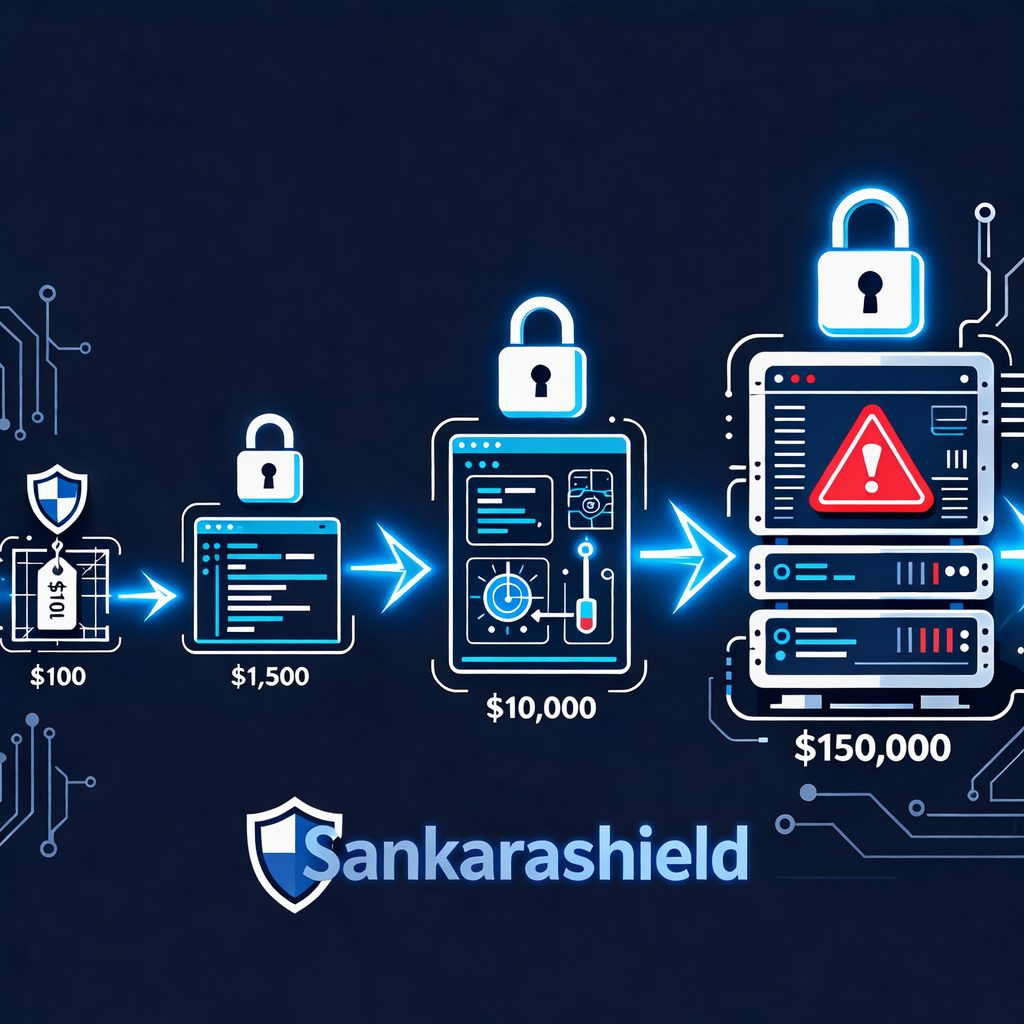
The cost of fixing a security vulnerability increases exponentially
Design: 100 USD — Development: 1,500 USD — Testing: 10,000 USD — Production: 150,000 USD
The financial case for shift-left security is overwhelming. Yet most organizations still treat security as a pre-production checkpoint.
Security must be integrated at every stage
- SECURITY IN DESIGN Threat modeling during architecture. Security requirements defined early. Risk assessment before development begins.
- SECURITY IN DEVELOPMENT IDE plugins identifying vulnerabilities in real time. Pre-commit hooks blocking insecure code. Secure coding standards enforced automatically.
- SECURITY IN CI/CD Static and dynamic testing in build pipeline. Dependency analysis. Container image scanning before deployment.
- SECURITY IN DEPLOYMENT Infrastructure as code with embedded controls. Automated testing in staging. Continuous monitoring from day one.
Key benefits: Fewer vulnerabilities in production. Security as a shared responsibility. Reduced attack surface from inception. Faster remediation with fresh context.
Common obstacles: Developer resistance, tool overload, false positive fatigue, and skill gaps. Solutions: involve developers early, consolidate tools, tune for your environment, and invest in training.
Application vulnerabilities remain the leading breach vector. Regulatory requirements are intensifying. Shift-left security is not a project — it is a continuous journey.
Where is your organization on the shift-left security journey? What are your biggest obstacles?
SankaraShield